Chicken continues to dominate c‑store foodservice, and the numbers prove it. According to Datassential, limited‑service retailers sold $52 billion worth of chicken in Q4 2025, and U.S. consumers ate an average of 103 pounds of chicken last year. With chicken driving both cravings and traffic, it’s no surprise that retailers are experimenting with new ways to structure low‑cost meal deals that appeal to value‑focused shoppers.
What’s especially interesting isn’t just what they’re offering, it’s how they’re approaching value. Here are three emerging strategies behind the newest wave of chicken deals, and how c‑store operators can adapt them into high‑performing programs.
1. Unified Value Pricing Across Multiple Dayparts
One major strategy in play is the move toward consistent, low price points across different menu concepts or dayparts. Whether it’s tenders, wings, biscuits, or tacos, the goal is to simplify the value message: Here’s a complete chicken option for about five dollars.
This approach reduces decision fatigue and encourages customers to try different items without worrying about fluctuating prices. It also creates predictable cost expectations for grab‑and‑go purchases.
Try:
- Build a clear value tier (e.g., $4–$6) that covers multiple formats.
- Use modular builds, like same proteins, different wraps/breads, to keep prep simple.
- Promote value meals at breakfast, lunch, and evening snacking to widen appeal.
2. Portion‑Based Bundling That Feels Generous
Another strategy centers on scaled portion options: 2‑piece meals, 4‑piece meals, or larger take‑home quantities. This approach has two benefits:
- It reinforces value through quantity.
- It makes grab‑and‑go chicken feel like a fast, affordable alternative to QSR combo meals.
Many retailers are even pairing these bundles with small add‑ons, like fried pies, for a low upcharge that boosts basket size.
Try:
- Introduce tiered box meals with predictable portions so guests know what they’re getting.
- Use visible packaging to showcase portion size and drive impulse purchases.
- Add $1–$2 add‑ons (sauces, sides, desserts) to increase average check.
3. Entry‑Level Price Points to Capture Traffic
The newest trend: ultra‑low entry price points, some as low as $4. These deals are designed to pull in budget‑sensitive shoppers, convert trial into habit, and increase foot traffic during slower periods.
Lower price points work especially well for grab‑and‑go because they’re frictionless: guests can grab a small, affordable item without committing to a full meal.
Try:
- Offer leaner builds (two tenders, a small wedge portion, etc.) at the lowest tier.
- Use entry‑level SKUs to cross‑sell higher‑margin items, like beverages or bakery.
- Make sure low‑cost items are fast to prep and easy to batch to protect labor.
Across all three strategies, the trends are clear:
- Value is being engineered intentionally, not accidentally.
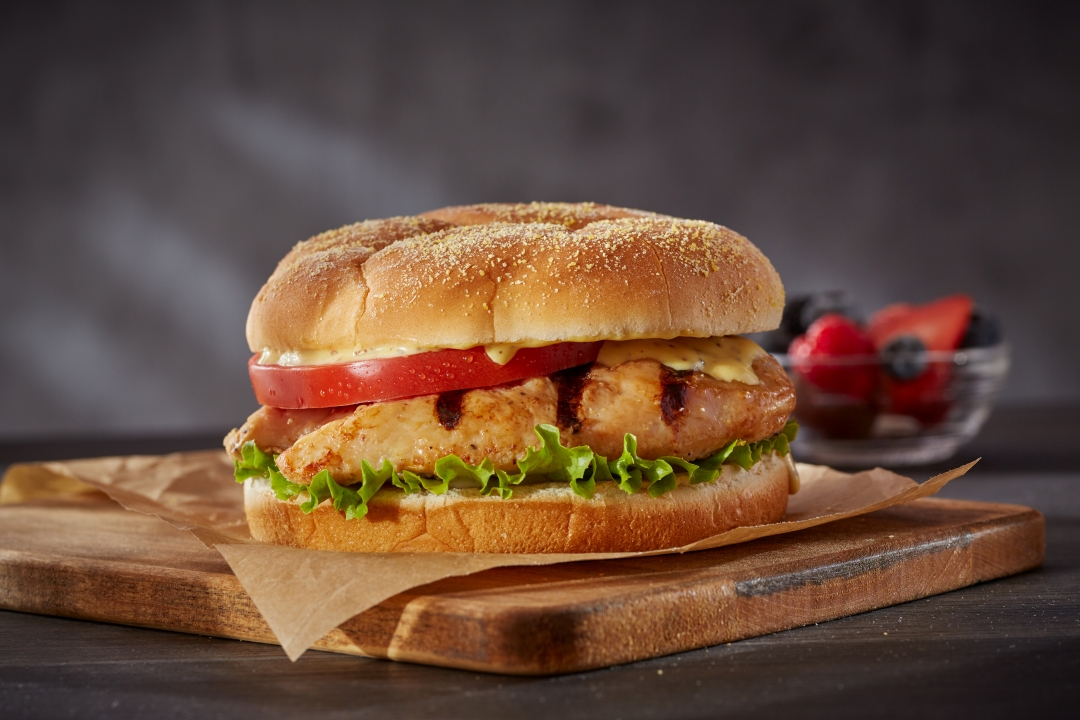
- Simple protein builds (tenders, dark meat, fajita cuts) are the backbone of efficiency.
- Portable packaging is essential for maintaining quality, consistency, and speed.
- Small pricing shifts drive big traffic gains when paired with craveable flavor.
Retailers aren’t just competing on price, they’re competing on clarity, simplicity, and execution.
If you’re exploring how to refine your value lineup, whether through smarter bundling, simplified builds, or new grab‑and‑go formats, we can help. At OLM Foods, we collaborate with operators to design value‑forward, craveable, and operationally sound programs that work across formats, footprints, and dayparts.
Whether you’re rethinking portion sizes, experimenting with new flavor profiles, wanting to add chicken items to your menu, or building a full branded program, our team is here to help you turn consumer demand into repeatable growth.