According to recent reporting, the foodservice landscape is becoming more fragmented than ever. As restaurant loyalty continues to erode, grocery and convenience stores are gaining dining occasions once dominated by fast‑food and fast‑casual brands. With budgets tightening, consumers are prioritizing food quality, convenience, and speed, and they’re willing to switch brands quickly when the experience no longer feels worth it.
For operators across channels, this shift presents both challenge and opportunity. Here are three key applications to consider:
- Experience Now Matters as Much as Price
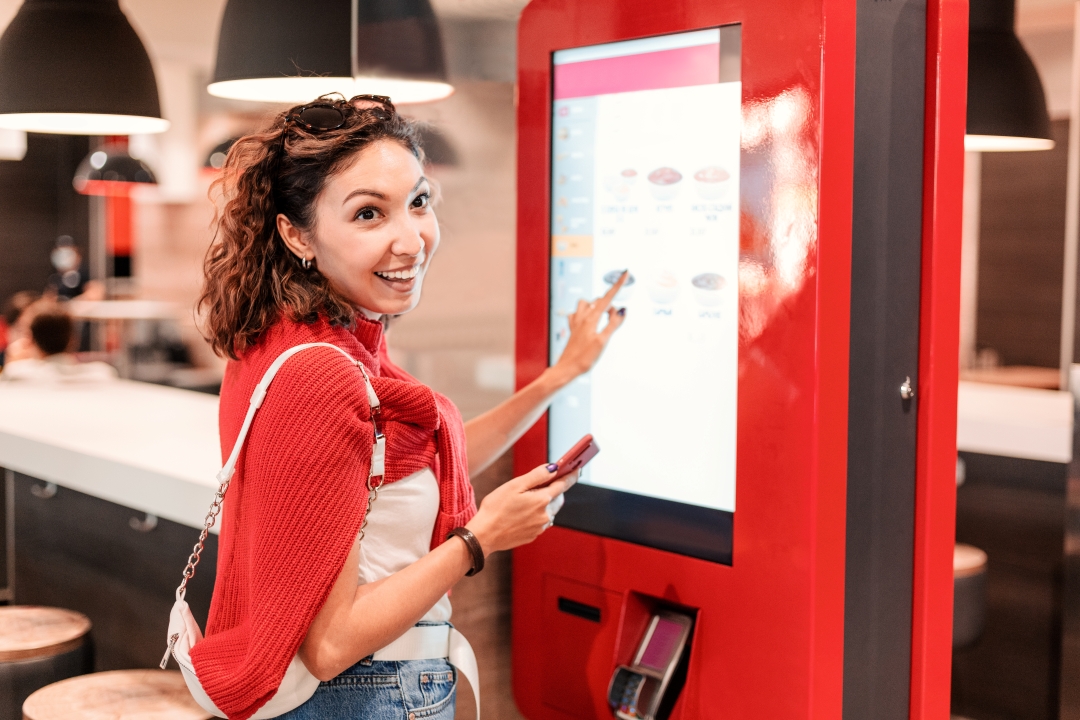
Discounting alone isn’t driving loyalty. The data shows consumers are gravitating toward operators that deliver a seamless, low‑friction experience, whether that’s fast pickup, intuitive ordering, or consistent product quality across channels. Operators winning today are focusing on execution, not just promotions.
- Familiar, Ready‑to‑Go Food Wins Occasions
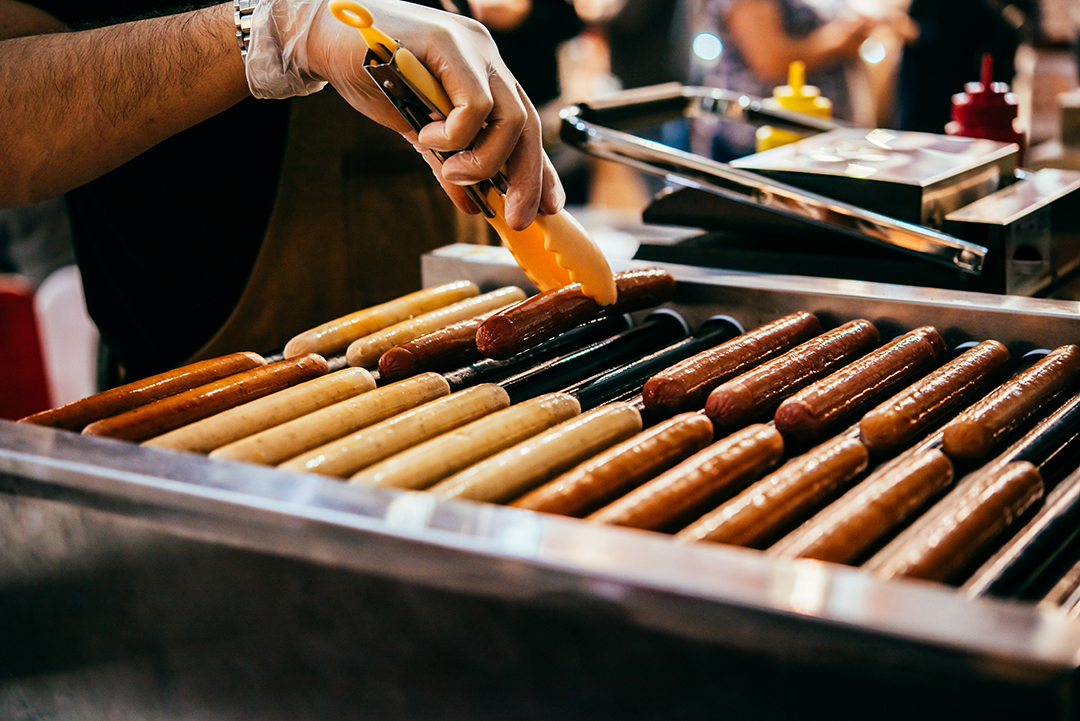
As diners make more intentional trade‑offs, they’re choosing food that feels satisfying, recognizable, and easy to access. This is where convenience formats, like grab‑and‑go, fresh‑prepared, or heat‑and‑serve, are outperforming more complex service models. Simplicity and consistency are becoming competitive advantages.
- Flexibility Is Essential in a Multi‑Channel World
Consumers are no longer tied to a single foodservice category. They expect to find meals at c‑stores, grocery retailers, QSRs, and beyond, and they want those experiences to feel just as credible as traditional restaurants. Operators who can flex across dayparts, formats, and channels are best positioned to capture that demand.
At OLM Food Solutions, we partner with convenience stores, QSRs, grocery retailers, and other foodservice operators to help navigate this exact shift. From simplified operations to craveable, scalable food offerings, our focus is helping operators compete wherever the next dining decision happens.
Because in a fragmented foodservice landscape, the brands that win are the ones built for flexibility.